For nature enthusiasts, travelers, and those seeking to reconnect with the natural world, national parks offer a breath of fresh air—quite literally. From sweeping landscapes and rugged mountains to pristine lakes and sprawling forests, each park provides unique experiences, wildlife encounters, and activities that can turn a simple trip into an unforgettable adventure. Here’s a guide to some of the most incredible national parks across the United States, highlighting the diverse wildlife and top activities that make each park a must-visit destination.
1. Yellowstone National Park – Wyoming, Montana, Idaho
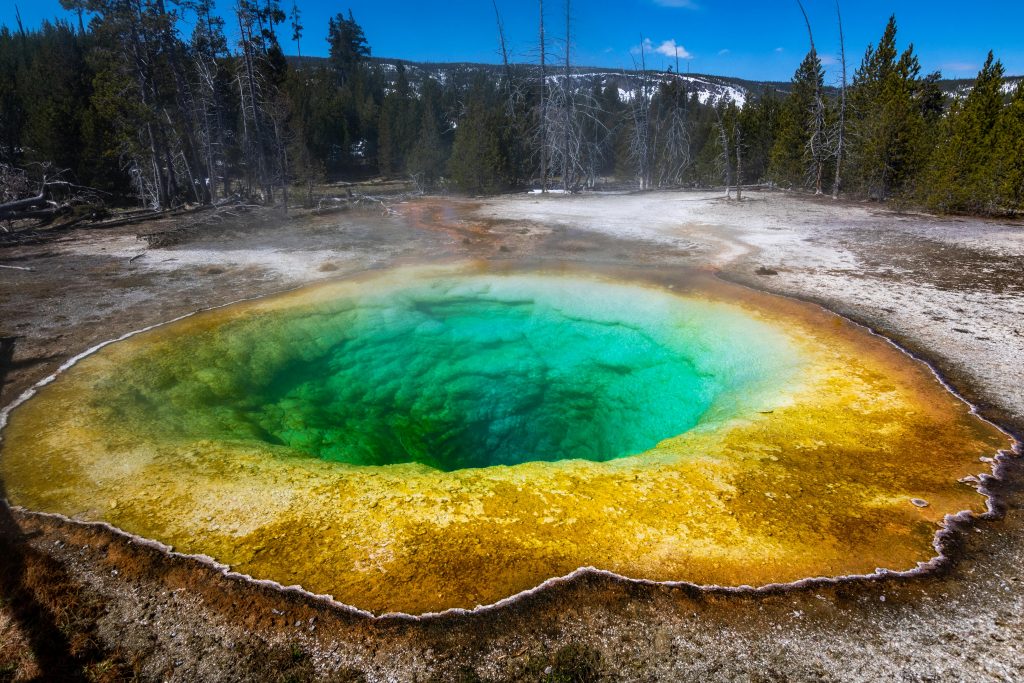
Overview: As the world’s first national park, established in 1872, Yellowstone boasts an astonishing array of geothermal wonders and landscapes that shift dramatically across its 2.2 million acres. From hot springs and geysers to canyons and rivers, Yellowstone is one of the most unique parks in the world.
Wildlife: Yellowstone is famous for its diverse ecosystem. The park is home to iconic animals, such as grizzly bears, black bears, wolves, bison, and elk. In fact, Yellowstone’s bison herd is the oldest and largest public bison herd in the United States. Visitors may also spot moose, mountain lions, and smaller mammals like foxes and coyotes.
Activities:
- Geyser Watching: Old Faithful and the Grand Prismatic Spring are must-sees, but the park has over 500 geysers and numerous hot springs to explore.
- Wildlife Viewing: The Lamar Valley is often called “America’s Serengeti” because of its abundant wildlife.
- Hiking: Trails range from easy paths like the boardwalks around geothermal areas to challenging treks like Mount Washburn.
- Fishing and Boating: Yellowstone Lake and several rivers offer fantastic fishing opportunities.
2. Grand Canyon National Park – Arizona
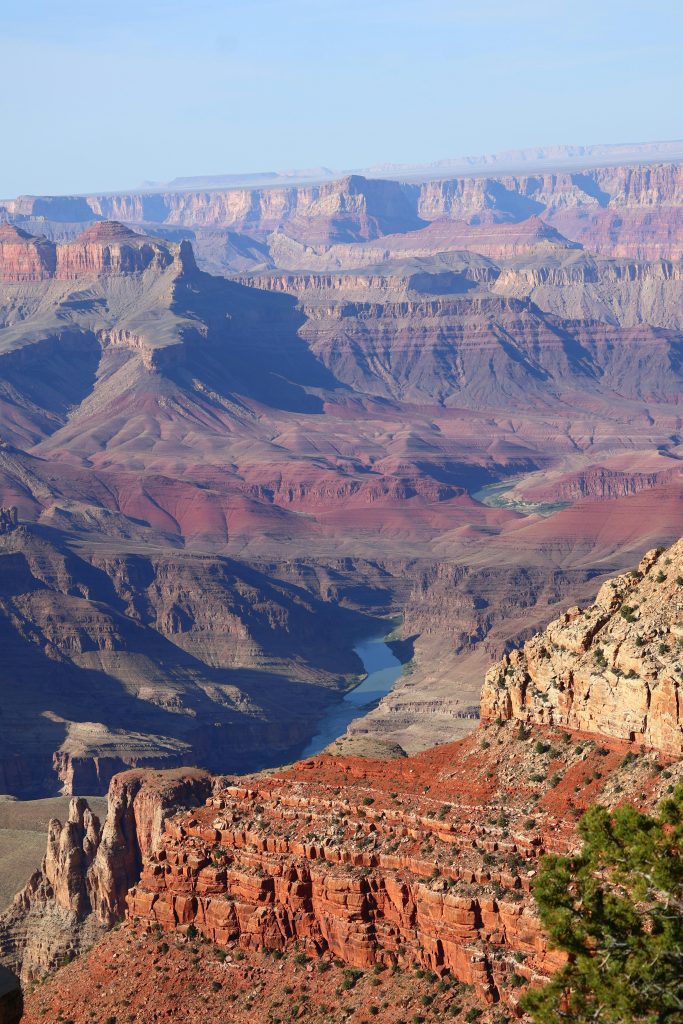
Overview: The Grand Canyon’s sheer size and breathtaking beauty are humbling. With its layered red rock formations revealing millions of years of geological history, it’s a sight everyone should experience at least once in their lifetime.
Wildlife: Wildlife in the Grand Canyon includes bighorn sheep, mule deer, and a variety of reptiles and birds, like the California condor—a species that was once nearly extinct but has been successfully reintroduced to the area. The desert landscape also hosts smaller animals, including lizards and rattlesnakes, adapted to the arid environment.
Activities:
- Scenic Viewpoints: Mather Point, Yavapai Observation Station, and Desert View Watchtower offer incredible panoramic views.
- Hiking: Popular trails include the South Kaibab Trail, Bright Angel Trail, and Rim-to-Rim hike for those up for a challenge.
- Rafting: The Colorado River provides exhilarating white-water rafting experiences.
- Camping and Stargazing: Camping under the stars in such a remote area offers an unmatched stargazing experience.
3. Yosemite National Park – California
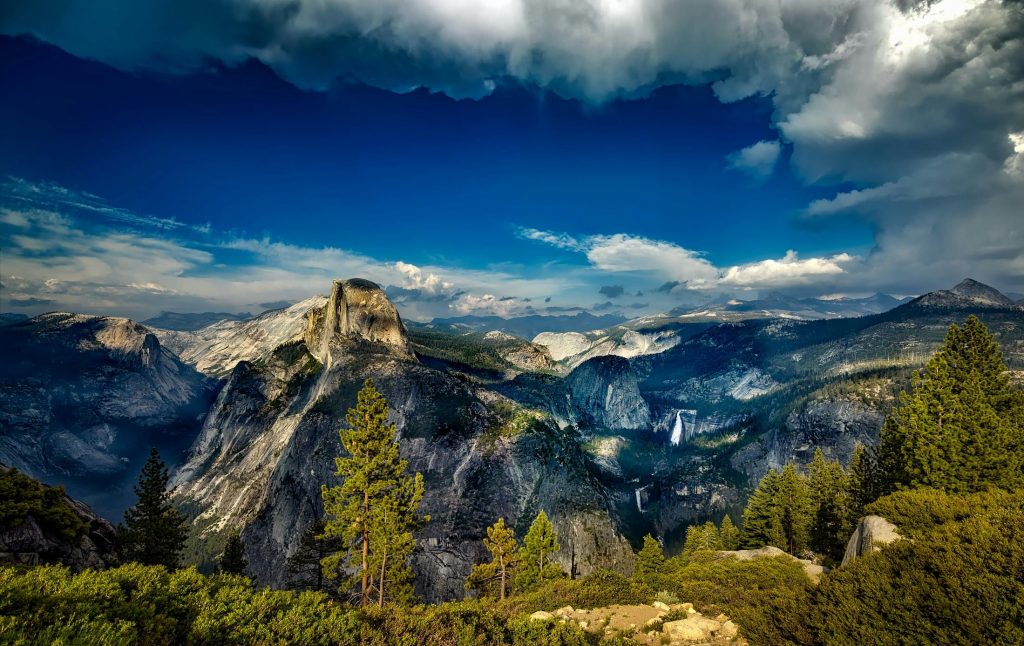
Overview: Yosemite is famed for its giant sequoia trees, towering granite cliffs, and waterfalls, such as the majestic Yosemite Falls. The park spans over 750,000 acres, offering endless adventure opportunities and stunning natural beauty.
Wildlife: Visitors to Yosemite may encounter black bears, mule deer, bobcats, and foxes. The park is also home to various bird species, including the peregrine falcon. With its diverse habitats, from meadows to forests and high cliffs, Yosemite supports a wide range of flora and fauna.
Activities:
- Rock Climbing: El Capitan and Half Dome are world-famous climbing spots for experienced climbers.
- Hiking: Trails like the Mist Trail to Vernal Falls and the challenging hike up Half Dome attract hikers from around the world.
- Photography: Ansel Adams made Yosemite’s landscapes famous; the views at Tunnel View and Glacier Point are stunning.
- Waterfall Viewing: Yosemite Falls, Bridalveil Fall, and Vernal Falls are among the park’s scenic highlights.
4. Glacier National Park – Montana
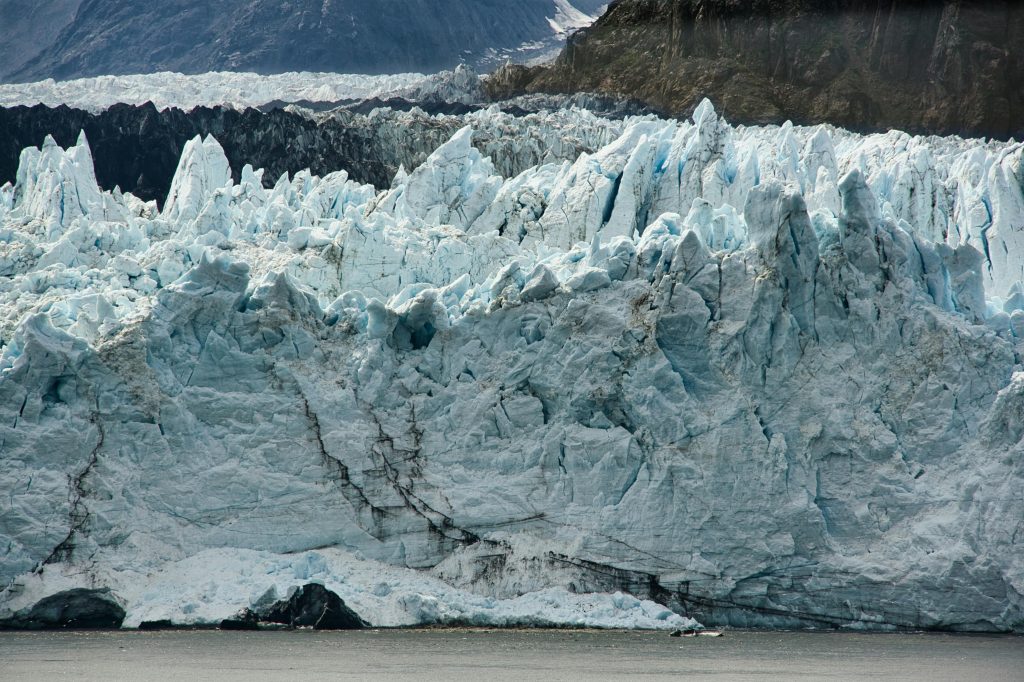
Overview: Known as the “Crown of the Continent,” Glacier National Park offers awe-inspiring landscapes that include rugged mountains, crystal-clear lakes, and, of course, glaciers. The park straddles the U.S.-Canada border and is part of the larger Waterton-Glacier International Peace Park.
Wildlife: Glacier is home to mountain goats, grizzly bears, moose, and wolverines. The park’s ecosystems range from dense forests to alpine tundra, supporting diverse wildlife. Bird watchers may spot eagles, hawks, and ptarmigans as well.
Activities:
- Going-to-the-Sun Road: This scenic drive offers panoramic views and easy access to popular trailheads.
- Hiking: Trails like Grinnell Glacier and Highline Trail offer opportunities to explore the park’s stunning landscapes.
- Boating: Visitors can kayak, canoe, or take boat tours on lakes like Lake McDonald and Swiftcurrent Lake.
- Camping: Glacier’s campgrounds provide a fantastic way to experience the park’s wilderness up close.
5. Zion National Park – Utah
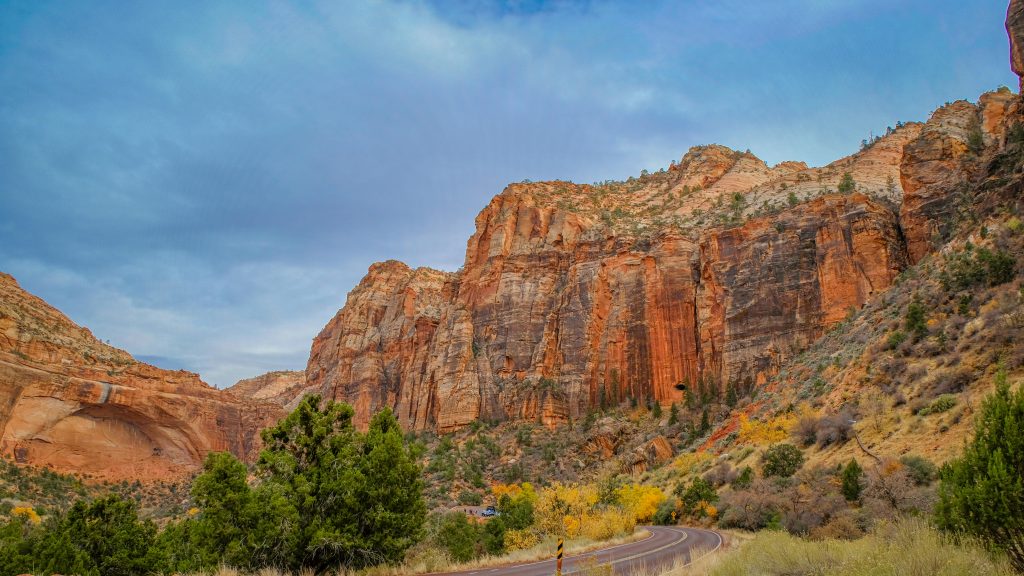
Overview: Zion’s red sandstone cliffs, slot canyons, and unique desert landscapes make it a captivating destination. The park’s narrow canyons and high plateaus create striking, almost surreal scenery, especially at sunrise and sunset.
Wildlife: Common sightings include mule deer, foxes, and various lizards and snakes. Zion is also home to numerous bird species, including the endangered California condor and peregrine falcon.
Activities:
- Hiking: The Narrows and Angels Landing are iconic hikes that offer unique and adventurous experiences.
- Canyoneering: Zion’s slot canyons, like The Subway, provide thrilling opportunities for canyoneering.
- Scenic Drives: The Zion Canyon Scenic Drive offers access to many trailheads and stunning views.
- Wildlife Viewing: Keep an eye out for rock squirrels and bighorn sheep along trails.
6. Great Smoky Mountains National Park – North Carolina, Tennessee
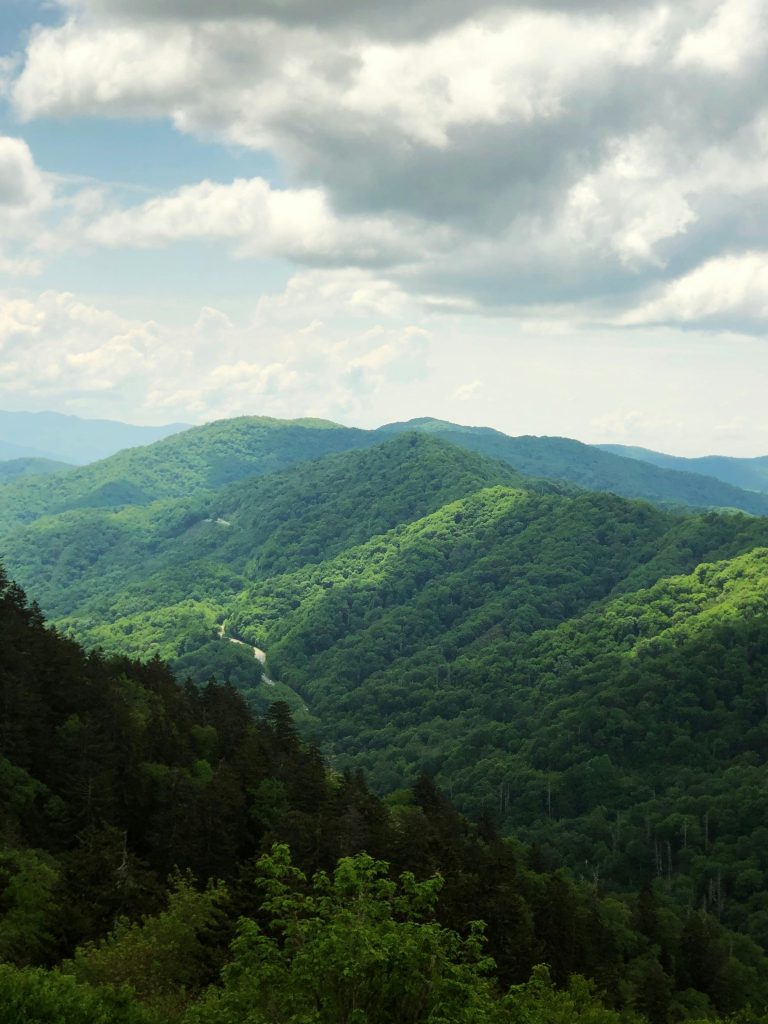
Overview: Known for its mist-covered mountains, lush forests, and diverse flora and fauna, Great Smoky Mountains National Park is one of the most visited national parks in the United States. The park’s dense forests, waterfalls, and historic sites make it an enchanting place to explore.
Wildlife: Great Smoky Mountains is home to black bears, elk, white-tailed deer, and a variety of birds and reptiles. The park is also known for its synchronous fireflies, which attract visitors during late spring.
Activities:
- Hiking: Popular hikes include the Alum Cave Trail, Laurel Falls, and Clingmans Dome.
- Waterfalls: The park has numerous waterfalls, with Abrams Falls and Laurel Falls being particularly popular.
- Fishing: The park’s streams are home to trout and bass, offering a peaceful fishing experience.
- Wildflower Viewing: In spring, the park’s wildflowers bloom in full force, making it a great time to visit.
7. Acadia National Park – Maine

Overview: Acadia National Park, located on the Atlantic coast, is known for its stunning coastline, forested mountains, and charming granite cliffs. It’s a haven for hikers, bikers, and anyone looking to enjoy scenic ocean views.
Wildlife: Acadia is home to a range of species, including black bears, moose, and white-tailed deer. Marine wildlife, such as seals, porpoises, and seabirds, are often seen along the coast. Birdwatchers can enjoy spotting peregrine falcons, ospreys, and bald eagles.
Activities:
- Hiking: Cadillac Mountain and Jordan Pond Path offer beautiful hiking experiences with ocean views.
- Biking: The park has a network of carriage roads ideal for biking.
- Kayaking and Canoeing: Paddle along the coast or in the park’s lakes for a peaceful adventure.
- Fall Foliage Viewing: Acadia is stunning in the fall when the foliage turns vibrant shades of red, orange, and yellow.
8. Rocky Mountain National Park – Colorado
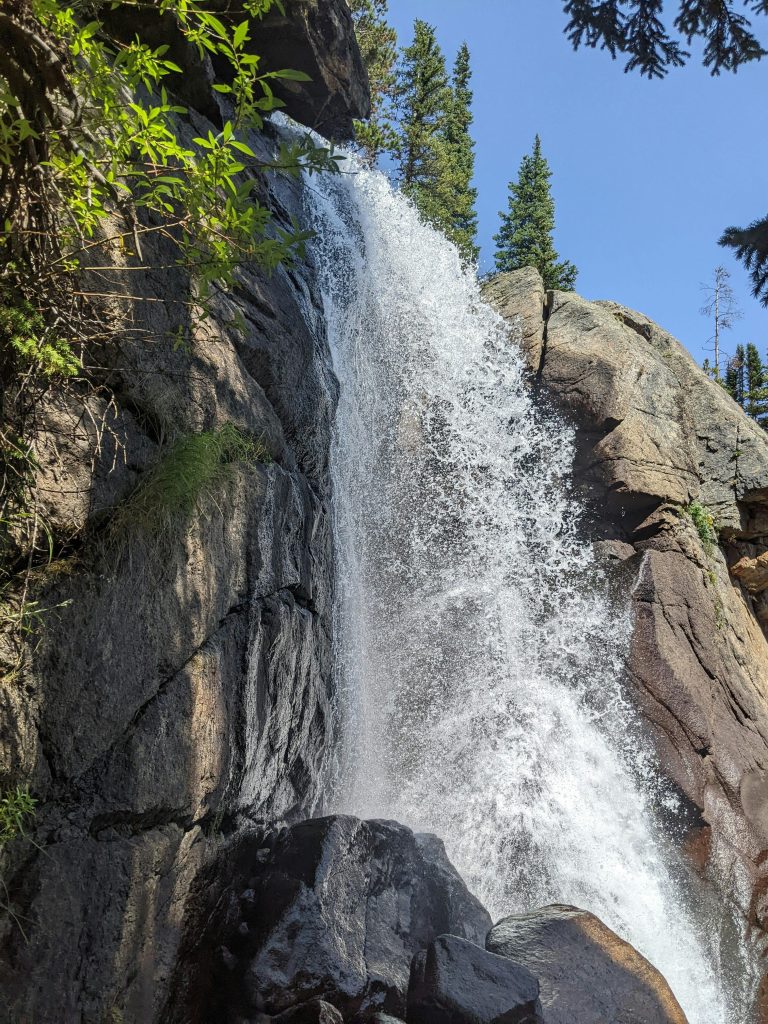
Overview: Rocky Mountain National Park showcases towering peaks, alpine lakes, and dense forests. With more than 300 miles of trails, the park is a paradise for hikers and outdoor enthusiasts.
Wildlife: The park is home to elk, mule deer, moose, black bears, and the rare pika. The elk population is especially prominent in the fall during their rutting season when you can hear the males bugling.
Activities:
- Hiking: Trails like Emerald Lake, Sky Pond, and Bear Lake are favorites for their stunning views.
- Scenic Drives: Trail Ridge Road, one of the highest paved roads in the United States, offers incredible views.
- Wildlife Watching: Moraine Park is an excellent spot for elk and other wildlife sightings.
- Fishing: The park’s lakes and rivers are perfect for trout fishing.
9. Everglades National Park – Florida
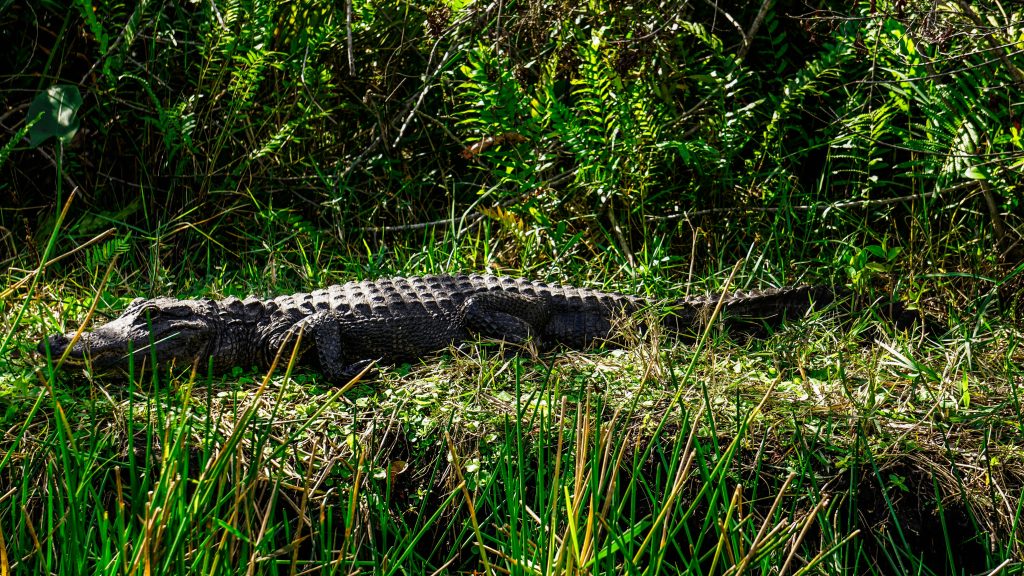
Overview: The Everglades is a unique wetland ecosystem that supports an extraordinary range of wildlife, from alligators and manatees to panthers and wading birds. Covering 1.5 million acres, it’s one of the largest tropical wilderness areas in the U.S.
Wildlife: Everglades is renowned for its biodiversity, including species such as American crocodiles, alligators, manatees, and the endangered Florida panther. The park is also a bird-watching paradise, with herons, egrets, and ibises commonly seen.
Activities:
- Airboat Tours: A popular way to explore the
- Kayaking and Canoeing: Paddle through the park’s winding waterways and mangroves for an immersive experience.
- Wildlife Watching: The Anhinga Trail is particularly popular for spotting alligators, turtles, and a variety of birds.
- Fishing: The Everglades’ estuaries and rivers are prime fishing spots, with species like snapper, tarpon, and bass.
10. Denali National Park and Preserve – Alaska
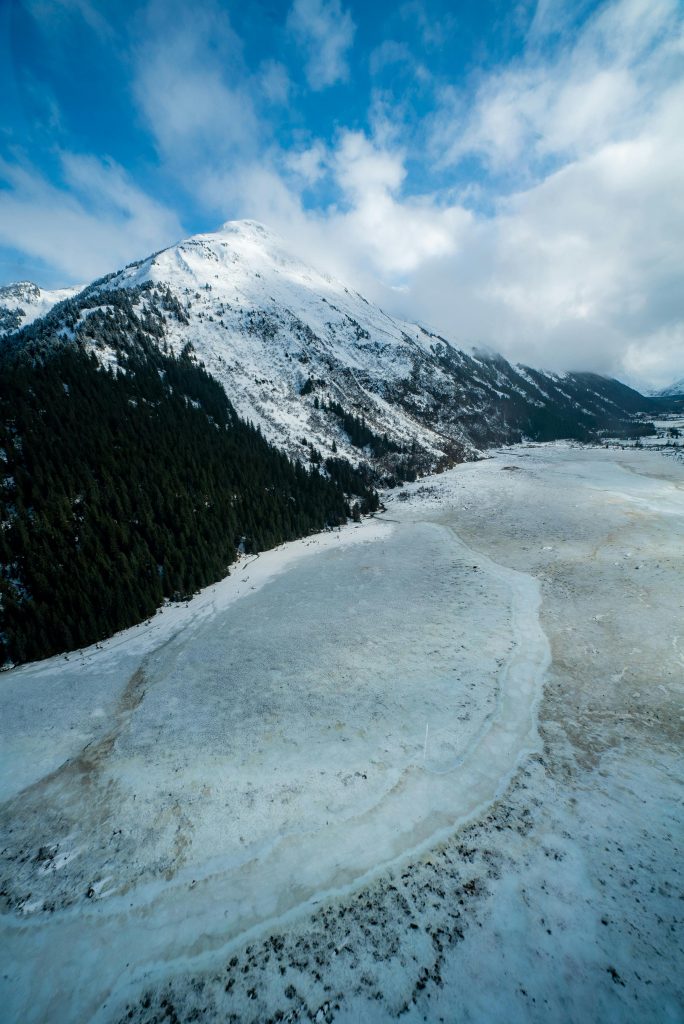
Overview: Denali is a remote wilderness featuring the tallest peak in North America, Denali (formerly known as Mount McKinley). Spanning six million acres, the park’s rugged, untamed landscape is perfect for adventure seekers looking to experience true Alaskan wilderness.
Wildlife: Denali’s vast terrain supports animals such as grizzly bears, caribou, moose, and wolves. Golden eagles and Dall sheep are also frequently seen. The park’s remoteness helps maintain a thriving ecosystem where visitors can see wildlife in their natural habitat.
Activities:
- Hiking: Denali has limited maintained trails, encouraging visitors to explore the backcountry. Wonder Lake and Savage River provide excellent trails with stunning views.
- Wildlife Viewing: The park’s bus tours are a popular way to spot wildlife without disturbing the animals.
- Climbing and Mountaineering: For experienced climbers, Denali offers one of the most challenging mountain climbs in the world.
- Camping and Stargazing: Denali’s lack of light pollution makes it an ideal spot for stargazing, and in certain months, visitors can even see the Northern Lights.
Conclusion
Each of these national parks offers a unique opportunity to connect with nature, experience thrilling outdoor adventures, and witness some of the world’s most impressive landscapes and wildlife. Whether you’re drawn to the geothermal wonders of Yellowstone, the towering peaks of Denali, or the dramatic canyons of Zion, these parks offer endless experiences to create lifelong memories. As you plan your visits, remember to respect the parks’ ecosystems, follow Leave No Trace principles, and enjoy the wild beauty that these national treasures have to offer.
From camping under star-filled skies and hiking through dense forests to spotting rare wildlife and capturing breathtaking photographs, these national parks provide endless opportunities for adventure and discovery.


Leave a Reply
You must be logged in to post a comment.