
Traveling is one of life’s most enriching experiences. It broadens perspectives, introduces new cultures, and allows for personal growth. Yet, for many, the cost is often a major roadblock. In 2024, with rising costs of living and fluctuating economies, affordable travel might seem even harder to achieve. But don’t fret—traveling on a budget is not only possible but also incredibly rewarding. With careful planning and the right strategies, you can explore the world without emptying your bank account. Here’s a comprehensive guide on how to travel on a budget in 2024, from affordable destinations to smart saving tips.
1. Choose Your Destinations Wisely
Some destinations are simply more budget-friendly than others. In 2024, consider countries in Southeast Asia, Eastern Europe, and Central America, where your money can stretch further. For instance:

- Vietnam, Thailand, and Cambodia: These Southeast Asian gems offer stunning landscapes, rich culture, and inexpensive food and accommodations.

- Eastern Europe (Poland, Hungary, Romania): Known for historic architecture and scenic landscapes, Eastern Europe is generally more affordable than Western Europe.

- Central America (Guatemala, Nicaragua): These countries offer beautiful beaches, ancient ruins, and vibrant culture at a fraction of the cost of popular destinations in the Caribbean.
2. Plan Travel Dates to Maximize Savings

Timing can be everything when it comes to saving on travel. Here’s how to make your dates work for you:
- Travel Off-Peak: Off-peak seasons offer the best prices on flights, accommodations, and even local attractions. For example, Europe in late fall or Southeast Asia during the rainy season can offer major savings.
- Use Flexible Date Search Tools: Many travel websites and apps allow you to see flight prices over a range of dates, helping you find the cheapest days to fly. Google Flights, Skyscanner, and Kayak are especially helpful for this.
- Book Flights in Advance: Aim to book flights 2-3 months in advance for domestic travel and 6-9 months for international flights. Early booking often means better prices.
3. Take Advantage of Budget Airlines and Alternative Routes

Budget airlines are a traveler’s best friend when it comes to saving money, especially for shorter flights. Consider the following:
- Look for Low-Cost Airlines: Airlines like Ryanair, EasyJet, and Southwest offer budget-friendly options, especially within Europe and North America.
- Explore Connecting Flights: Sometimes, booking two separate flights instead of a direct one can save you significant money, especially on long-haul flights.
- Be Flexible with Arrival Cities: Major cities often have cheaper flights, so consider flying to a nearby city and taking affordable ground transportation to your final destination.
Pro Tip: Watch for additional fees with budget airlines—seat selection, luggage, and snacks can quickly add up. Be mindful of carry-on size and weight limits to avoid costly fees.
4. Optimize Accommodation Costs

Accommodations can quickly eat up a budget, but there are plenty of ways to save without sacrificing comfort:
- Stay in Hostels or Guesthouses: Hostels aren’t just for young backpackers. Many modern hostels offer private rooms and amenities like kitchens and lounges, making them perfect for budget travelers.
- Try Home Stays or Airbnb: Staying with locals or renting a room through Airbnb often costs less than hotels, and it gives you a unique glimpse into local life.
- Look for Couchsurfing Options: Couchsurfing is a global community where locals offer free accommodation to travelers. It’s a great way to meet locals, but remember to be respectful and considerate of your hosts.
Pro Tip: Some accommodations offer discounts for longer stays, so consider staying in one place for a while to cut costs on nightly rates.
5. Utilize Public Transport and Walk More
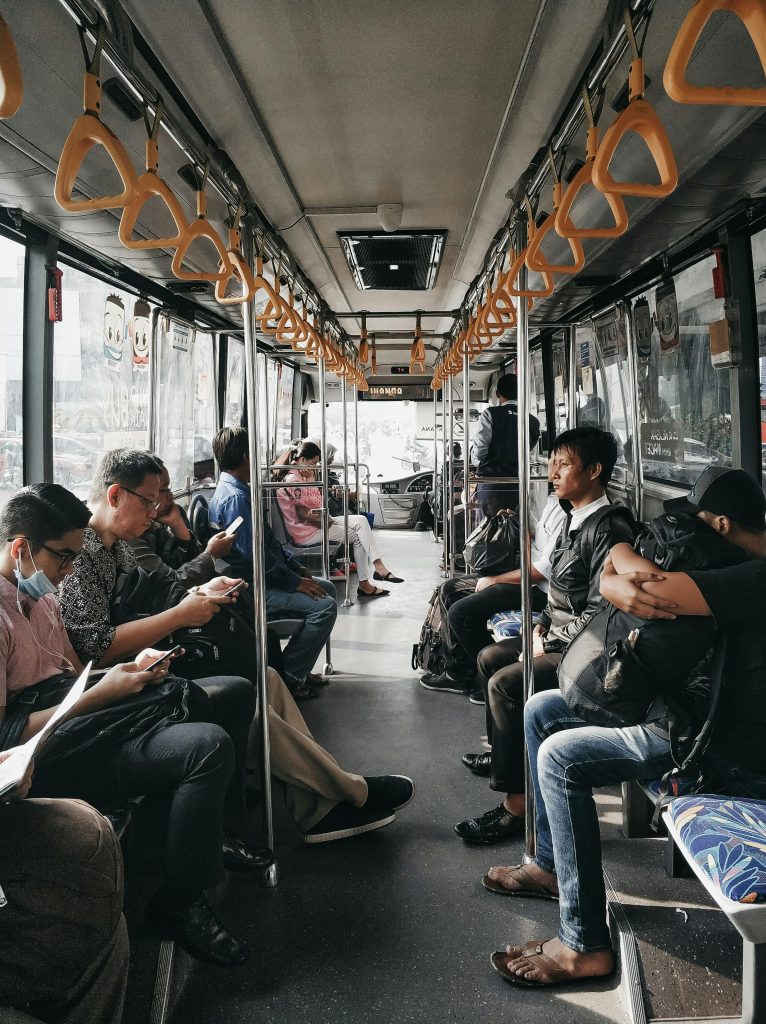
Getting around can be another major expense, but you can save by skipping taxis and rideshares.
- Embrace Public Transportation: Most cities have affordable public transit, like buses, metros, or trains. Research the local system beforehand, and see if there are day passes or weekly tickets for added savings.
- Use Bicycles or Walk: Many destinations, especially in Europe and Asia, are bike-friendly. Walking and cycling not only save money but also give you a unique view of the city.
- Consider Ridesharing for Intercity Travel: Platforms like BlaBlaCar allow you to share rides with locals traveling between cities, making it an affordable option for longer distances.
6. Eat Like a Local
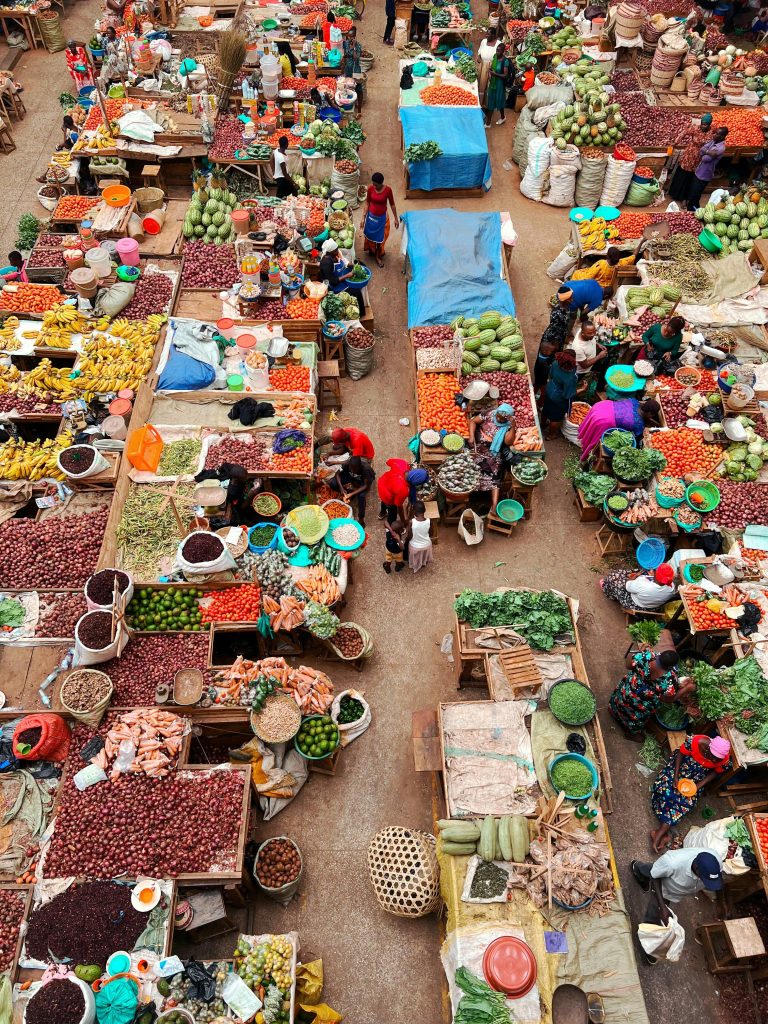
Food can be one of the best parts of travel, but it’s easy to overspend if you’re eating at touristy spots or upscale restaurants. Here’s how to enjoy local flavors affordably:
- Visit Local Markets and Street Food Stalls: Street food is often inexpensive, fresh, and delicious. Trying local snacks and meals from vendors is a must for budget travelers.
- Cook Your Meals: If your accommodation has a kitchen, cooking some of your meals can save a lot of money. Visit local grocery stores to shop for fresh ingredients and prepare simple meals.
- Ask for Recommendations from Locals: Locals often know the best affordable spots to eat, which can be better than tourist-focused establishments.
Pro Tip: If you’re staying in hostels or guesthouses, consider cooking with fellow travelers for a communal and budget-friendly meal experience.
7. Book Activities and Tours Wisely

Tours and attractions can be expensive, but with a bit of strategy, you can experience local highlights without overspending:
- Book Through Local Companies: Large travel companies often charge a premium. Look for smaller, local operators offering the same experiences at a lower price.
- Use Free Walking Tours: Many cities around the world offer free walking tours, where local guides show you around in exchange for a tip. It’s a great way to see the sights without spending a lot.
- Check for Discount Cards: Some cities offer discount cards for tourists that provide free or reduced admission to popular sites and unlimited access to public transit. Examples include the Paris Museum Pass or the Go City Pass for several cities.
8. Be Strategic with Currency and Bank Fees
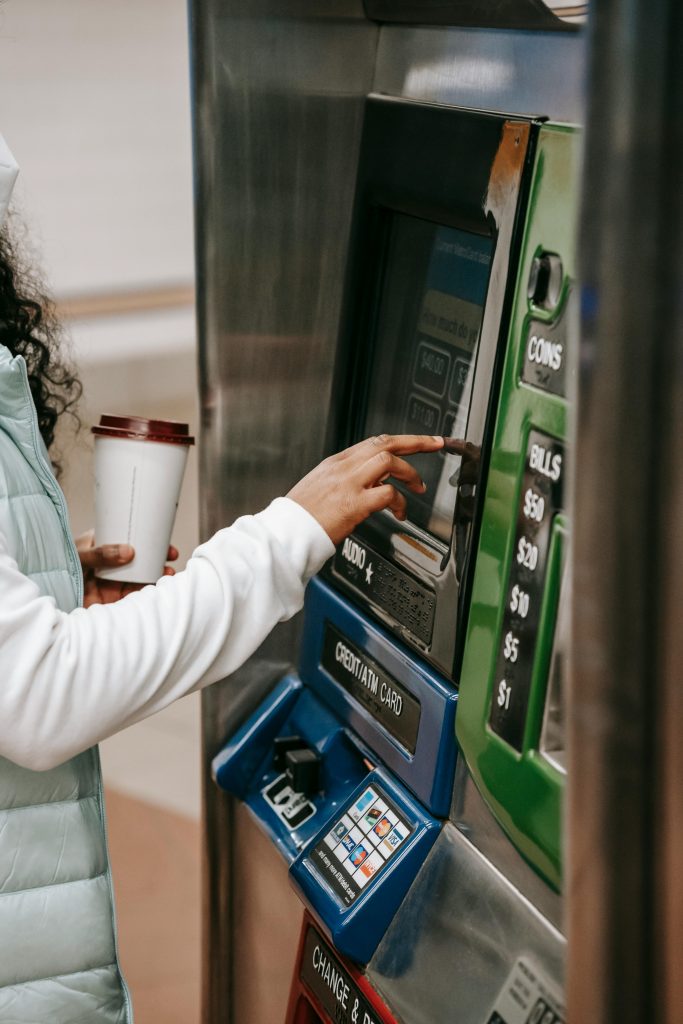
Currency exchange fees and bank charges can add up quickly when traveling abroad. Here’s how to keep them in check:
- Use a Travel Credit Card: Many travel credit cards offer no foreign transaction fees and provide cash-back or points on your spending, helping you save in the long run.
- Withdraw Larger Sums: If you’re withdrawing cash, it’s often better to take out a larger amount at once to avoid frequent ATM fees.
- Know the Local Exchange Rates: Familiarize yourself with the exchange rates to avoid unfavorable currency exchanges, especially at airports.
Pro Tip: Avoid currency exchange kiosks at airports and tourist areas as they often charge high fees.
9. Stay Connected Without Overspending
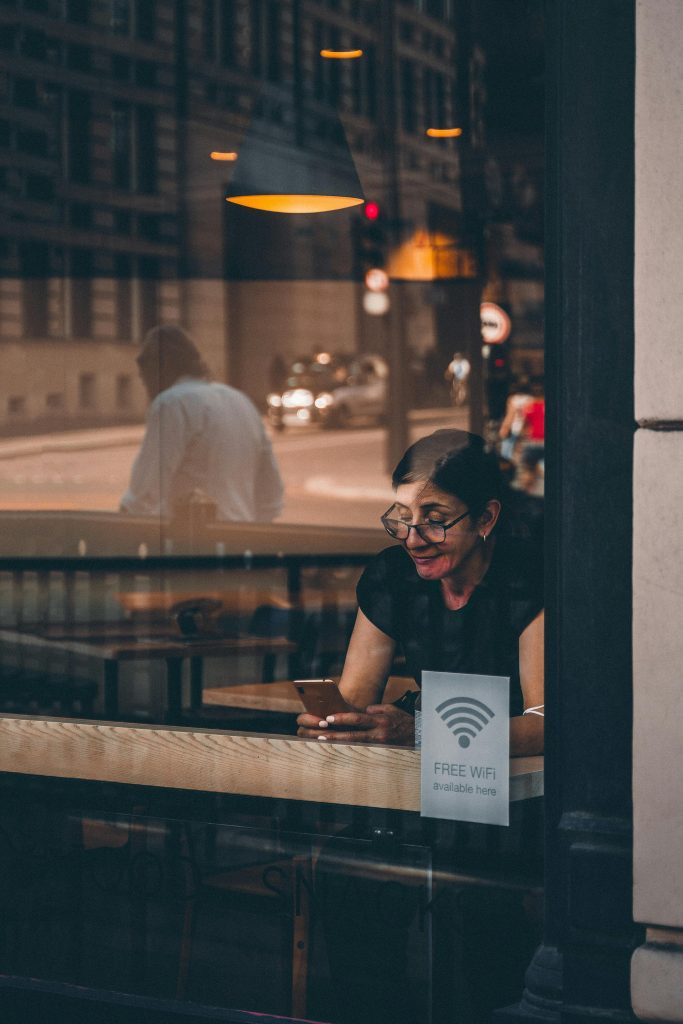
Staying connected to the internet while traveling can be costly, but there are affordable solutions:
- Use Free Wi-Fi: Many cafes, libraries, and public spaces offer free Wi-Fi. Be cautious with security on public networks, especially when accessing sensitive information.
- Buy a Local SIM Card: In most countries, purchasing a local SIM card is inexpensive and provides reliable data at local rates.
- Consider eSIMs for Convenience: eSIM technology allows you to download a local data plan without changing physical SIM cards, and it’s often more cost-effective.
10. Be Resourceful with Travel Insurance

Travel insurance is a must, even for budget travelers, as it protects you in case of unforeseen circumstances. Here’s how to make it affordable:
- Compare Providers: Use comparison websites like InsureMyTrip to find affordable policies tailored to your needs.
- Check Your Credit Card: Some credit cards include basic travel insurance if you use them to book flights and accommodations. Verify what’s covered before relying on it, though.
- Consider Coverage for Longer Trips: For extended travel, consider insurance providers offering multi-trip or long-stay options, which can be more affordable than standard single-trip coverage.
Conclusion
Traveling on a budget in 2024 doesn’t mean you have to compromise on experiences. In fact, with thoughtful planning and a bit of flexibility, you can have a fulfilling and memorable adventure while keeping costs low. Choosing affordable destinations, timing your travel wisely, staying in budget-friendly accommodations, and making smart choices on food and transport can all make a huge difference.
By following these tips, you can explore incredible places, meet fascinating people, and create lasting memories without financial stress. Embrace the art of budget travel, and discover that it’s not about how much money you spend but the experiences you gain along the way. Happy travels!


Leave a Reply
You must be logged in to post a comment.