A road trip is a unique adventure that lets you explore at your own pace, with the freedom to change directions, linger at scenic viewpoints, and uncover hidden gems along the way. While road trips promise spontaneity and excitement, proper planning and packing are essential to ensure everything goes smoothly. From emergency tools to entertainment, let’s explore the must-have items for a successful road trip. Plus, we’ll highlight how services like AAA can make your journey safer and easier.
1. The Basics: Roadside Safety and Vehicle Essentials
Before you even hit the road, taking a few precautions with your car is key to a smooth journey. Roadside emergencies are unpredictable, and the best way to handle them is by being prepared.

Check for a Spare Tire, Jack, and Lug Wrench
A flat tire is one of the most common roadside problems. Check that you have a fully inflated spare tire, a reliable jack, and a lug wrench before setting out. Make sure to familiarize yourself with how to change a tire, or keep a quick-reference guide on hand. The last thing you want is to be stranded without a means to fix a simple flat tire.
AAA Membership
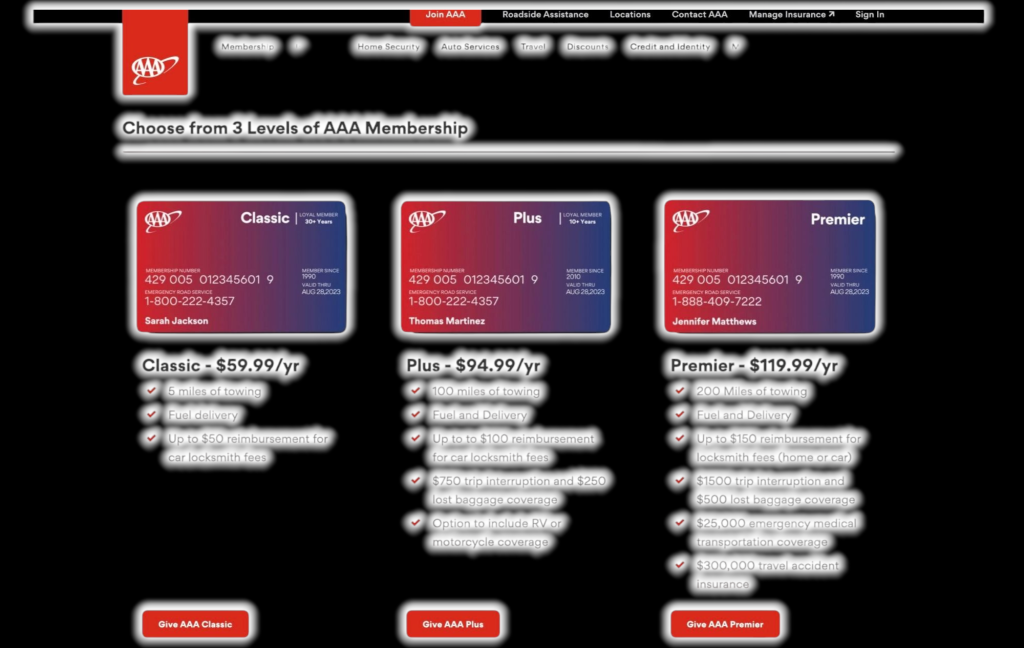
AAA (American Automobile Association) offers a range of essential services for road trippers. Their roadside assistance can help you with everything from towing to battery replacement and flat tire fixes. Their mobile app also provides useful features like a trip planner, gas price finder, and hotel discounts. If you’re embarking on a long trip, a AAA membership is a valuable investment for peace of mind.
Note: You must be a premium package in order to tow an RV. Its only $129 annually and comes with (2) 100 Mile tow’s and (1) 200 Mile tow plus roadside.
Roadside Emergency Kit
Having a well-stocked emergency kit in your car is essential. A typical kit should include:
- Jumper cables
- Reflective triangles or road flares
- Flashlight (with extra batteries)
- Basic first-aid supplies
- Multi-tool or pocket knife
- Gloves and rags
- Fire extinguisher (compact and car-rated)
These items are critical for handling a variety of unexpected situations. Some kits also come with ponchos, survival blankets, and water pouches, which are helpful for longer trips.
2. Navigation and Trip Planning
Even in the age of GPS and smartphones, it’s smart to plan your route and be ready for areas with limited signal.

Maps and Backup GPS
While Google Maps or Apple Maps is incredibly convenient, signal loss is common in remote areas. Pack a physical map or an offline map downloaded on your phone or GPS device. AAA also offers free maps to members, which can be helpful for in-depth planning.
Phone Mount and Charger
Keeping your phone accessible for directions, music, and calls is much safer with a phone mount. Look for a sturdy option that suits your car’s layout. Bring a reliable car charger with fast-charging capabilities, so your phone remains charged even during prolonged usage.
Plan for Breaks and Stops
Long hours on the road require periodic breaks to avoid fatigue. Identify good rest stops, interesting attractions, and fuel stations along your route. Tools like the AAA TripTik Travel Planner and Google Maps can help you locate these spots in advance.
3. Comfort Essentials for Long Drives
Sitting in a car for hours can get uncomfortable, but with a few smart additions, you can ensure a cozy and enjoyable ride.

Travel Pillow and Blanket
For passengers or those planning to sleep in the car during rest breaks, a quality travel pillow and a lightweight blanket are key to comfort. Look for compact, easy-to-pack options that don’t take up much space.
Reusable Water Bottles
Staying hydrated is crucial, especially if you’re traveling through areas where water may not be readily available. Bring a refillable water bottle for each person and consider a larger water container to refill bottles when needed.
Snacks and a Cooler
Healthy snacks like nuts, granola bars, and dried fruit are perfect for keeping energy levels up. A small cooler with ice packs is ideal for storing perishable snacks, drinks, and even a packed lunch. This saves time and money by reducing the need for food stops.
4. Entertainment for the Drive
Whether you’re driving through scenic mountains or monotonous highways, entertainment makes the journey more enjoyable for everyone in the car.
Audiobooks and Podcasts
Audiobooks and podcasts are perfect for long drives. Download a few titles or episodes in advance for areas without a signal. Apps like Audible and Spotify offer a vast selection of content to keep you entertained and mentally engaged.

Playlists and Road Trip Games
Create playlists with everyone’s favorite music or download pre-made road trip playlists for variety. Classic road trip games like “20 Questions” or “I Spy” are a fun way to break up long stretches of highway and are especially enjoyable with kids.
5. Health and Hygiene Essentials
Your comfort and well-being on the road depend on having a few key health and hygiene items within easy reach.
First Aid Kit
A comprehensive first aid kit should include band-aids, antiseptic wipes, pain relievers, motion sickness pills, and any necessary personal medications. Include insect repellent and sunscreen if your route involves outdoor adventures.
Sanitizing Wipes and Hand Sanitizer
Bathrooms along the road aren’t always as clean as you’d hope, and messes are inevitable when eating on the go. Keep sanitizing wipes and hand sanitizer in the car for easy cleanup.
Trash Bags
A few small trash bags will help keep the car clean. Dispose of waste responsibly at rest stops or designated areas. Having a clean car makes the journey much more pleasant.
6. Sleep Essentials for Overnight Stops
Planning to sleep in the car or take frequent naps on the road? A few essentials can make all the difference.
Car Sunshades or Privacy Screens
Sunshades for the front windshield and side windows can block out light and give you some privacy if you’re sleeping in the car. They also help keep the car cool when you’re parked in the sun.

Inflatable Mattress or Seat Extender
For those planning to sleep in the car, an inflatable mattress or seat extender can make your setup far more comfortable. Look for a design that fits well within your vehicle’s layout and consider including an air pump for easy inflation.
7. Emergency Tools and Repairs
Even with a well-maintained vehicle, mechanical issues can arise. Bring a few basic tools for emergency fixes to avoid prolonged delays.
Portable Jump Starter
A portable jump starter can be a lifesaver if your battery dies and no one is nearby to help. Many portable jump starters also double as chargers for phones or other devices, adding extra value.
Portable Air Compressor
A portable air compressor is helpful for topping off your tires if they lose pressure. Some models even plug into your car’s 12V socket for easy use. Low tire pressure can impact fuel efficiency and tire lifespan, so this small device is a wise investment.
8. Packing Tips and Organization
With so many essentials, it’s important to keep your vehicle organized to ensure easy access and a comfortable ride.
Storage Bins and Organizers
Use small storage bins to separate different items like snacks, emergency gear, and hygiene products. Over-the-seat organizers are perfect for keeping everything within easy reach without creating clutter.
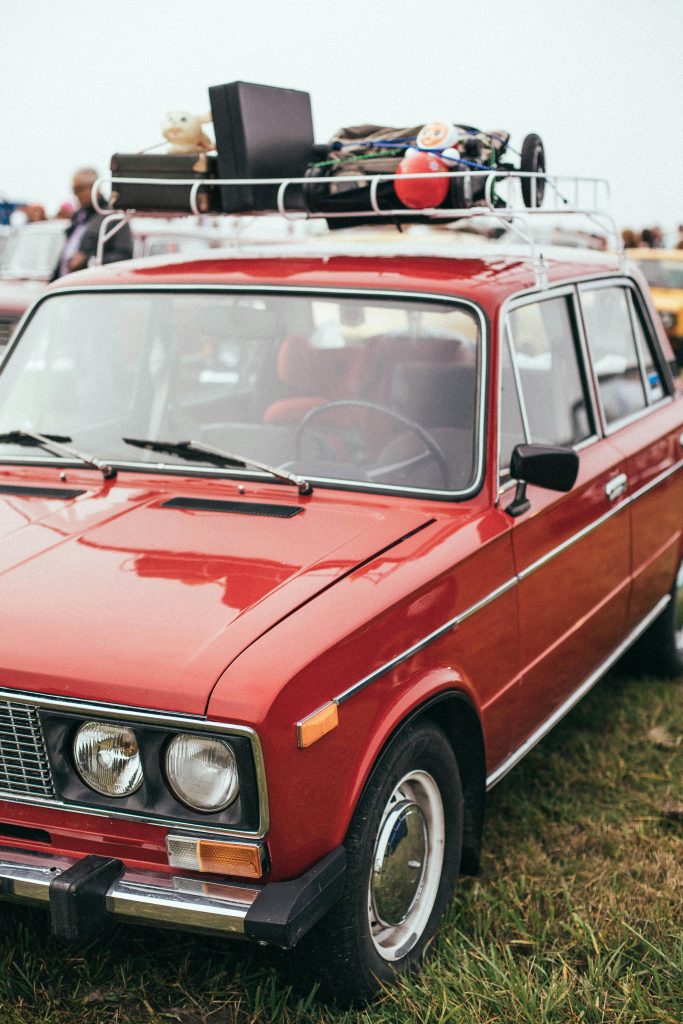
Roof Rack or Cargo Carrier
If you’re traveling with a lot of luggage or camping equipment, a roof rack or cargo carrier can free up space inside the vehicle. Be mindful of weight limits and ensure that any exterior storage is securely fastened.
Extra Bags for Dirty Laundry
Designate a bag for dirty clothes to keep things fresh and organized. This will also make unpacking easier when you reach your destination.
9. Know Before You Go: Research Local Services
Researching local services and amenities along your route can be incredibly helpful if you run into problems or simply want to make the most of your trip.
Know Local Towing and Mechanic Services
AAA membership covers a lot, but knowing additional resources, like nearby tow services or auto repair shops, is useful if you encounter issues in areas where AAA service might be delayed. You can often find recommended service centers through online maps or reviews.
Research Lodging and Food Options
For longer trips, planning some of your food stops and overnight accommodations can make the journey smoother. Apps like Google Maps, TripAdvisor, and AAA’s mobile app can help you find highly-rated restaurants and affordable hotels along your route.
Final Words of Advice
A successful road trip is all about preparation and flexibility. Having the right essentials ensures that you’re ready for emergencies, comfortable on long stretches, and entertained for hours. Consider the safety of your car a top priority—double-check your spare tire, jack, and tools, and strongly consider a AAA membership if you don’t already have one.
By packing smart, you can focus on the journey ahead, enjoy the sights, and make lasting memories without unnecessary stress. Safe travels and happy road-tripping!


Leave a Reply
You must be logged in to post a comment.